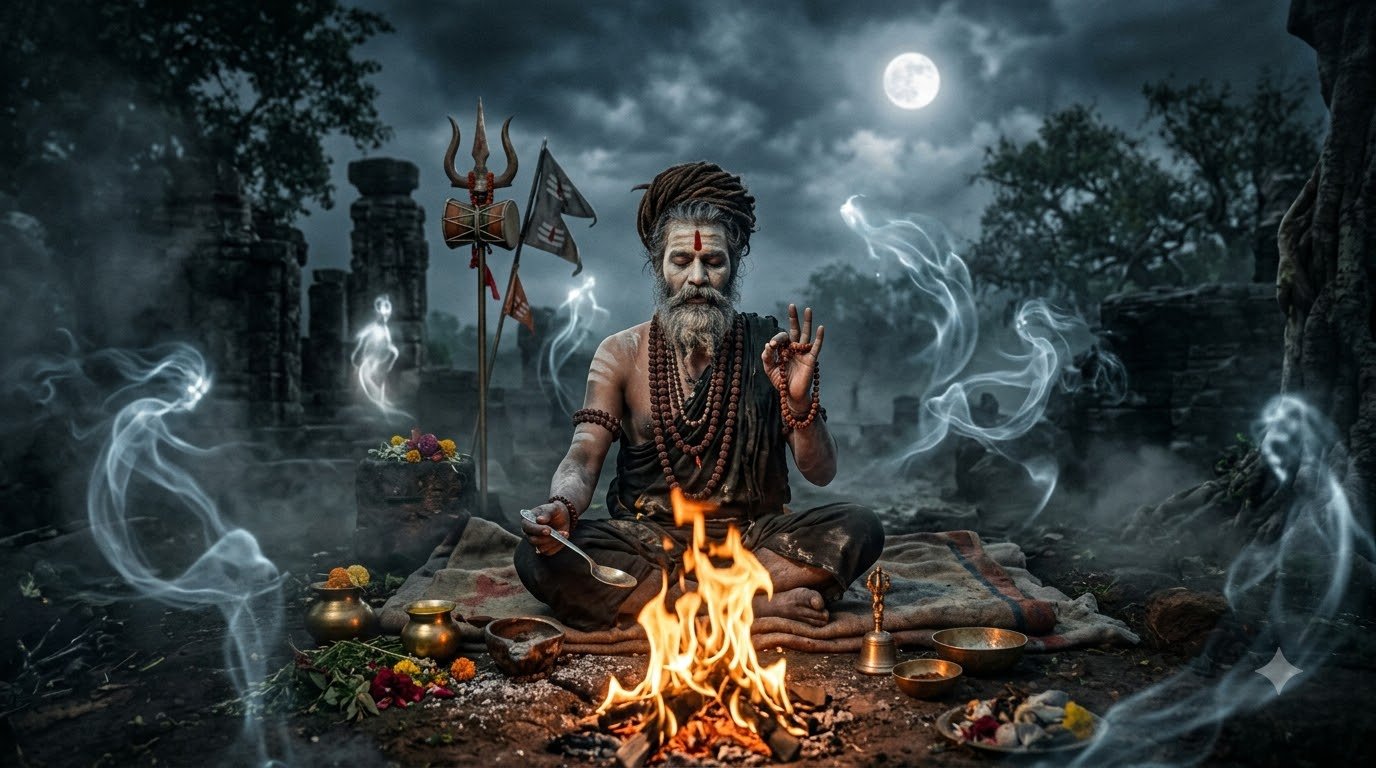
Yogi Rudra Aghori Tantra Mantra Many seekers today feel drawn toward deeper spiritual knowledge that goes beyond ordinary practices. Terms like Aghori, Tantra, and Mantra often appear together in searches related to intense Shaivite traditions. When people look for “Yogi Rudra Aghori Tantra Mantra,” they are usually searching for authentic understanding of these powerful streams of Indian spirituality.
This article offers a clear, balanced, and informative explanation written in simple English. It focuses on the meaning, history, philosophy, and responsible approach to these subjects. The goal is to provide useful knowledge without sensationalism or detailed instructions. Genuine spiritual paths require proper guidance, maturity, and respect. Yogi Rudra Aghori Tantra Mantra
For those seeking personal spiritual direction connected with traditional knowledge, the official contact channels linked to yogirudramaharaj.info are shared later in the article.
Understanding the Key Terms Simply
Aghori comes from the Sanskrit word “Aghora,” which means fearless or free from dread. Aghoris are ascetics within the Shaiva tradition who aim to realize the non-dual nature of reality. They work to overcome deep mental limitations such as fear, disgust, attachment, and dualistic thinking. Yogi Rudra Aghori Tantra Mantra
Tantra is a broad system of spiritual practices found in various Indian traditions. In simple terms, Tantra works with energy, symbols, and disciplined techniques to transform ordinary awareness into higher realization. Different schools of Tantra exist. Some follow more conventional methods, while others are considered left-hand paths that deliberately challenge social and mental boundaries.
Mantra refers to sacred sound formulas. These are carefully chosen vibrations that help focus the mind, purify consciousness, and connect the practitioner with specific energies or deities. Mantras are used across many spiritual paths in India, including yogic, Tantric, and Aghori streams.
When these three elements come together in traditional teachings, they form an intense path aimed at complete liberation. The emphasis is always on inner transformation rather than outer display. Yogi Rudra Aghori Tantra Mantra
Historical Roots of the Aghori Path and Tantra
The Aghori tradition traces its philosophical roots to older forms of Tantric Shaivism, particularly the Kapalika tradition that flourished in medieval India. Kapalikas were known for radical renunciation and the use of symbols related to mortality and the transient nature of the body. Yogi Rudra Aghori Tantra Mantra
The modern Aghori lineage is closely associated with Baba Kinaram, a 17th-century saint who settled in Varanasi. Traditional accounts link his realization to the grace of Lord Dattatreya. Over time, the path continued through successive gurus. Varanasi and its cremation grounds have remained important centres because they constantly remind practitioners of the impermanence of life. Yogi Rudra Aghori Tantra Mantra
Tantra itself is much older and wider. Classical Tantric texts explore the relationship between the individual and the cosmos through energy, ritual, and contemplative practices. Within Shaivism, Tantra often focuses on Shiva and Shakti as the ultimate reality. Aghori practice is one expression of this broader Tantric vision, particularly the aspect that works with what society usually rejects in order to transcend dualistic perception. Yogi Rudra Aghori Tantra Mantra
Core Philosophy Behind Aghori Tantra and Mantra
At the heart of this path lies the teaching of non-duality. Everything that exists is seen as a manifestation of the same divine consciousness. Distinctions of pure and impure, sacred and ordinary, or beautiful and repulsive are regarded as creations of the limited mind.
Practitioners traditionally work to dissolve the eight major bonds that keep consciousness limited: desire, anger, greed, attachment, fear, hatred, shame, and disgust. The intense methods associated with the path are designed to confront these bonds directly so that fear and dualistic thinking lose their power.
Mantras in this context are not casual chants. They are precise sound tools used under guidance to stabilize the mind and awaken deeper awareness. The sound itself is considered a form of divine energy. Proper pronunciation, intention, and the right mental state are traditionally regarded as essential. Without these, the practice remains incomplete. Yogi Rudra Aghori Tantra Mantra
Tantra provides the framework. It works with the understanding that energy can be directed and transformed. In the Aghori approach, this includes contemplation of mortality, the use of specific symbols, and disciplined living that challenges ordinary habits of mind. Yogi Rudra Aghori Tantra Mantra
The ultimate aim is the same as other genuine spiritual paths: freedom from the cycle of limited existence and the direct realization of one’s true nature.
Why These Practices Are Considered Intense
The Aghori path is often described as extreme because it deliberately engages with aspects of life that most people avoid. Cremation grounds, ashes, and symbols of death serve as constant teachers of impermanence. The goal is not morbidity. It is to remove the deep-seated fear of death and the clinging to temporary identity.
Because of this intensity, traditional teachers emphasize that the path is not suitable for everyone. It requires strong mental stability, ethical foundation, and guidance from an experienced teacher within a living lineage. Self-experimentation is strongly discouraged in authentic sources.
Modern media often focuses only on dramatic outer elements. This creates misunderstanding. The real work happens internally. Outer symbols are meant to support inner transformation, not to become ends in themselves.
The Importance of Proper Guidance
In all traditional Indian spiritual systems, the role of the guru is considered crucial, especially on advanced or intense paths. A qualified teacher helps the seeker understand the correct context, avoid dangers, and progress according to individual capacity. Yogi Rudra Aghori Tantra Mantra
Without proper guidance, even powerful tools like mantras can remain ineffective or, in some cases, create confusion. Authentic lineages stress preparation, purity of intention, and gradual progress.
Those interested in exploring traditional knowledge connected with names such as Yogi Rudra are advised to use only verified channels. The official contact details associated with the reference website are: Yogi Rudra Aghori Tantra Mantra
Phone and WhatsApp: +91-7357935089
Email: info yogirudramaharaj@gmail.com
Website: https://yogirudramaharaj.info/
Contact should be made with sincerity, clear purpose, and patience. Spiritual communication works best when the seeker approaches with respect rather than mere curiosity for the unusual.
Common Misconceptions and Sensible Caution
Several misunderstandings surround Aghori Tantra and Mantra:
- Not every person claiming the Aghori name follows authentic traditional discipline.
- Dramatic videos or stories do not represent the full depth of the path.
- These practices are not shortcuts to worldly powers or quick solutions.
- Genuine traditional knowledge is transmitted carefully and is not sold as commercial packages.
It is wise to remain cautious of anyone promising instant results, secret powers, or dramatic effects for a fee. Authentic spiritual work focuses on lasting inner change rather than temporary excitement. Yogi Rudra Aghori Tantra Mantra
Understanding the philosophy can still be valuable even for those who do not follow the path. The teachings invite reflection on fear, attachment, and the nature of reality. They encourage a deeper examination of what we accept and reject in daily life.
Modern Relevance of These Teachings
In today’s world, many people experience high levels of anxiety, fear of uncertainty, and attachment to temporary identities. The core message of the Aghori and related Tantric traditions — that fear can be transcended and that dualistic thinking limits freedom — remains relevant. Yogi Rudra Aghori Tantra Mantra
Modern interest in mindfulness, shadow work, and confronting mortality echoes some of the same principles, though expressed in different language. Studying the traditional understanding with respect can enrich personal growth without requiring one to adopt extreme outer practices. Yogi Rudra Aghori Tantra Mantra
At the same time, the intensity of the original path serves as a reminder that deep transformation usually demands discipline, guidance, and sincere effort over time.
How to Approach This Knowledge Responsibly
If the subject of Yogi Rudra Aghori Tantra Mantra interests you, consider these practical points:
- Begin with clear and respectful study of the philosophy rather than techniques.
- Prioritize inner qualities such as honesty, patience, and emotional stability.
- Seek guidance only through verified and official channels.
- Avoid self-experimentation with advanced practices.
- Maintain a balanced daily life while exploring spiritual questions.
Spiritual knowledge is most beneficial when it leads to greater peace, clarity, and compassion rather than confusion or fear.
Final Thoughts
The combination of Aghori tradition, Tantra, and Mantra represents one of the most intense and uncompromising streams within Indian spirituality. Its focus on fearlessness, non-duality, and the transformation of ordinary consciousness has attracted serious seekers for centuries.
This article has aimed to present the subject in a clear, balanced, and accessible way. The emphasis has remained on understanding rather than instruction. Authentic practice, when undertaken, always requires proper guidance within a living tradition.
For those who feel a sincere pull toward deeper traditional knowledge connected with the name Yogi Rudra and related spiritual inquiry, the official WhatsApp and call number +91-7357935089, the email address, and the website https://yogirudramaharaj.info/ provide the appropriate starting point.
Approach the subject with respect, patience, and a genuine desire for inner growth. May this understanding bring greater clarity and a deeper appreciation of India’s rich spiritual heritage.
Image Prompt (for relevant Aghori Tantrik-themed blog image):
A respectful and atmospheric depiction of an Indian Aghori practitioner in quiet contemplation at twilight near a traditional cremation ghat, body lightly covered with sacred ash, holding a simple ritual staff, soft mist rising from the river, distant oil lamps glowing, ancient stone steps, calm and intense spiritual presence, realistic photography style with deep earthy tones and subtle golden light, no graphic or sensational elements, symbolic of Tantric depth and fearlessness.