
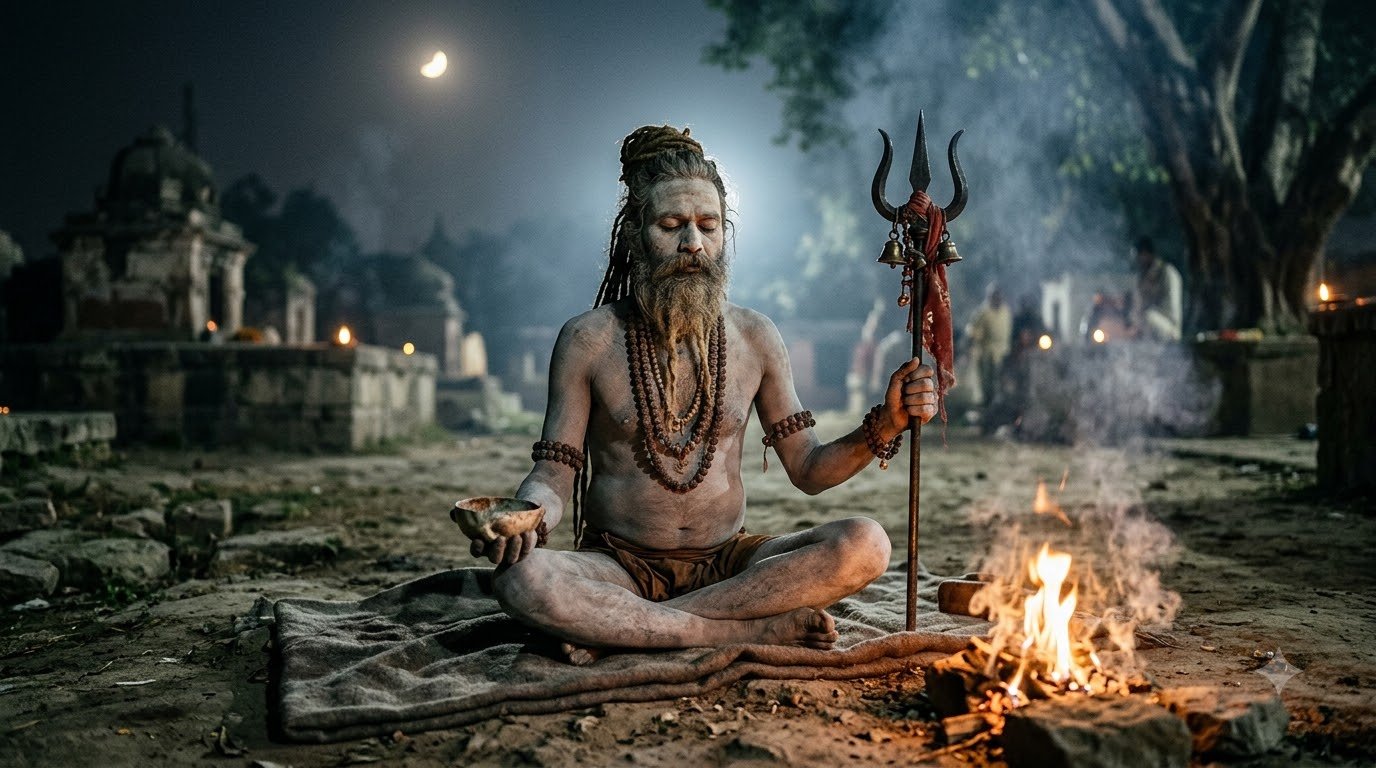
Understanding the Difference Between Tantra and Bhakti
Tantra Aur Bhakti Mein Antar In the rich spiritual traditions of India, two powerful paths stand out: Tantra and Bhakti. Many seekers feel drawn to both, yet they often wonder how these paths differ and which one suits them better. Some people associate Tantra with intense rituals and hidden knowledge, while Bhakti is seen as pure love and devotion.
This article explains the difference between Tantra and Bhakti in simple, clear English. It covers their core meanings, methods, philosophies, strengths, and practical value for modern readers. The goal is to help you understand both paths with clarity and respect so you can make informed choices on your spiritual journey. Tantra Aur Bhakti Mein Antar
What Is Bhakti?
Bhakti means devotion or loving surrender to the Divine. It is the path of the heart. In Bhakti, the seeker develops a personal and emotional relationship with God — whether as Krishna, Rama, Shiva, the Divine Mother, or any other form. Tantra Aur Bhakti Mein Antar
The main practices of Bhakti include:
- Singing bhajans and kirtan
- Chanting the holy names
- Offering prayers with deep feeling
- Reading scriptures such as the Bhagavad Gita, Ramayana, or Srimad Bhagavatam
- Serving the deity or the devotees with love
Bhakti is open to everyone — householders, students, workers, and renunciates. It does not require complex rituals or special qualifications. Saints like Mirabai, Tulsidas, Chaitanya Mahaprabhu, and Tukaram showed that pure love alone can lead to the highest realization. The emphasis is on sincerity of feeling rather than technical perfection. Tantra Aur Bhakti Mein Antar
What Is Tantra?
Tantra is a broad system of spiritual practices that work with energy, mantra, yantra, and ritual. The word “Tantra” comes from roots that suggest expansion and liberation through techniques. It aims to awaken the dormant spiritual energy (often called Kundalini) and transform ordinary experiences into tools for realization.
Tantric practices can include:
- Specific mantras and their precise pronunciation
- Yantras (sacred geometric diagrams)
- Ritual worship of deities in their powerful forms
- Breath control, meditation, and visualization
- In some lineages, more intense methods involving the body, senses, or unconventional settings
Tantra includes both right-hand (Dakshinachara) and left-hand (Vamachara) approaches. The left-hand path, which includes certain Aghor practices, deliberately uses what society considers impure to break mental limitations. Aghor Tantra is one intense expression of this broader Tantric tradition. It focuses on transcending fear and dualistic thinking through radical methods.
Unlike Bhakti, Tantra often requires proper initiation, guidance from a qualified teacher, and careful preparation. It is more technical and energy-oriented. Tantra Aur Bhakti Mein Antar
Key Differences Between Tantra and Bhakti
Understanding the main differences helps clear common confusion.
1. Approach to the Divine
Bhakti approaches the Divine through love and relationship. The devotee sees God as a beloved, parent, friend, or master. Emotion is central.
Tantra approaches the Divine through energy and technique. The practitioner works with the forces of nature and consciousness using precise methods. Knowledge and power are more prominent, though devotion is also present in many Tantric traditions.
2. Methods and Practices
Bhakti relies on singing, chanting, prayer, and selfless service. The practices are relatively simple and can be done anywhere.
Tantra uses structured rituals, specific mantras with exact counts, yantras, and sometimes advanced energy work. Some practices are done at special times or places, including cremation grounds in Aghor lineages.
3. Role of Emotion vs Technique
In Bhakti, the quality of feeling matters most. Tears of love or deep longing are valued more than perfect ritual.
In Tantra, correct procedure, concentration, and energetic alignment are crucial. Emotion supports the practice but is not the only focus.
4. Suitability for Different Temperaments
Bhakti suits people who are emotional, loving, and drawn to personal relationship with God. It is especially suitable for householders.
Tantra suits those with a strong will, analytical mind, and capacity for disciplined energy work. It can be more demanding and is not recommended for everyone without guidance.
5. View of the World and Body
Bhakti often sees the world as a place for serving God and purifying the heart. The body is a temple to be kept pure.
Tantra, especially in its non-dual forms, sees the world and body as expressions of the same divine energy. Even challenging or “impure” elements can be used as tools for awakening when handled correctly.
6. Risk and Responsibility
Bhakti is generally safe and uplifting when practiced with sincerity. Missteps rarely cause serious harm.
Tantra carries higher responsibility. Incorrect practice, impure intention, or lack of guidance can create energetic imbalance or psychological difficulty. This is why traditional teachers insist on proper initiation and ethical foundation.
Important Similarities
Despite their differences, Tantra and Bhakti are not completely separate. Many Tantric traditions include deep devotion to the deity. In fact, some of the most powerful Tantric practices are filled with intense bhakti toward forms like Kali, Bhairava, or Tripura Sundari. Tantra Aur Bhakti Mein Antar
Both paths ultimately aim at the same goal: freedom from limitation and direct experience of the Divine. Both use mantra, meditation, and surrender in their own ways. A mature practitioner often finds that pure Bhakti naturally develops power, and pure Tantric practice deepens into love.
The Place of Aghor Tantra
Aghor Tantra represents one of the most radical expressions of the Tantric path. It deliberately confronts fear, death, and social conditioning. The practitioner learns to see the sacred even in what the ordinary mind rejects. Tantra Aur Bhakti Mein Antar
This intensity is very different from the soft, emotional atmosphere of classic Bhakti. Yet the highest Aghor realization is not different from the highest Bhakti realization — both dissolve the sense of separation. The methods, however, remain distinct. Aghor practices are never meant for casual adoption and require exceptional preparation and guidance. Tantra Aur Bhakti Mein Antar
Which Path Is Right for You?
There is no single answer. The best path is the one that matches your nature and current stage of life.
If your heart feels naturally drawn to singing the names of God, offering simple prayers, and living with love and service, Bhakti is a beautiful and complete path. Tantra Aur Bhakti Mein Antar
If you feel a strong pull toward understanding energy, working with mantras in a structured way, or exploring deeper aspects of consciousness through disciplined practice, Tantra (under proper guidance) may speak to you.
Many people benefit from combining elements of both — chanting with devotion while also maintaining discipline and awareness. The key is sincerity and avoiding extremes that do not suit your capacity. Tantra Aur Bhakti Mein Antar
Practical Guidance for Seekers
- Start with daily practices that feel natural and sustainable.
- Keep your intention pure. Whether you follow Bhakti or Tantra, selfish motives reduce the benefit.
- Respect traditional guidelines. Do not experiment with advanced Tantric or Aghor methods without a qualified teacher.
- Protect your energy through regular prayer, clean living, and positive company.
- If you face unexplained difficulties or feel the need for deeper guidance, approach only ethical and experienced practitioners. Tantra Aur Bhakti Mein Antar
Yogi Rudra Maharaj offers traditional guidance in related spiritual knowledge.
Website: https://yogirudramaharaj.info/
Call / WhatsApp: +91-7357935089
Email: info@yogirudramaharaj@gmail.com
Use your own discrimination and never surrender your free will or common sense.
Final Thoughts
Tantra and Bhakti are two valid and powerful doors to the same reality. Bhakti works primarily through the heart and love. Tantra works primarily through energy, technique, and transformation of consciousness. Tantra Aur Bhakti Mein Antar
The real difference is not about which path is superior, but which approach matches the seeker’s temperament and readiness. When practiced with sincerity, both lead beyond ordinary limitations. Tantra Aur Bhakti Mein Antar
Understanding this difference removes confusion and helps seekers walk with greater clarity and respect. Whether you choose the soft path of devotion or the intense path of energy work, the essential requirement remains the same: honesty of intention and steady practice. Tantra Aur Bhakti Mein Antar
Stay sincere, stay balanced, and let your own inner guidance show you the next step.